
Mastering Locks in Java: A Comprehensive Guide to Synchronization
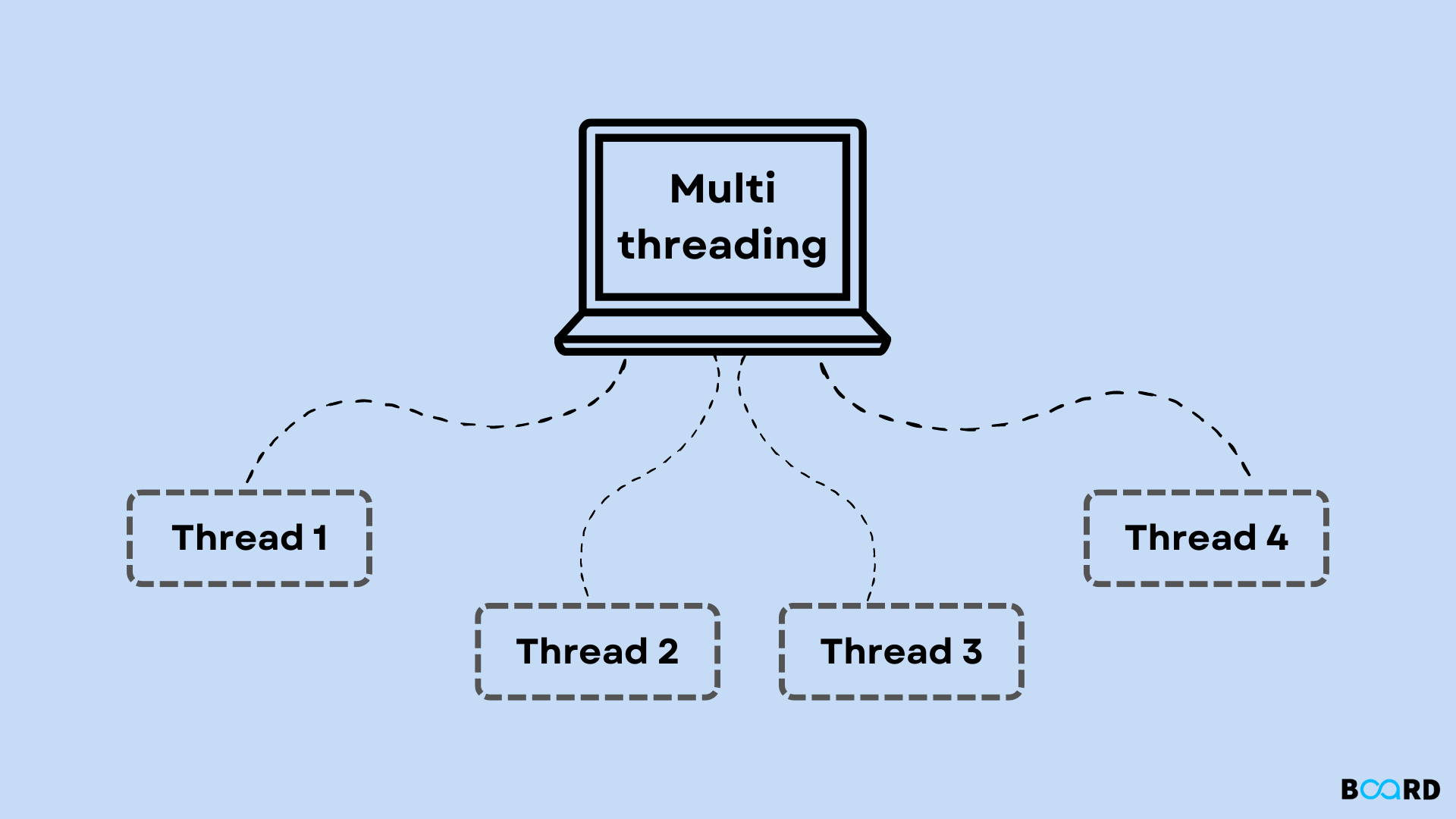
Multithreading is a fundamental aspect of modern software development, allowing developers to create applications that can handle
multiple tasks simultaneously. However, managing concurrent access to shared resources is crucial to avoid race conditions and other
synchronization issues. In Java, locks provide a simple way to synchronize access to shared resources, ensuring that only one thread can
access the resource at a time. In this article, we will delve into the concept of locks in Java, their implementations, and best
practices for using them effectively.
What are Locks in Java?
A lock is a synchronization primitive that controls access to a shared resource. It ensures that only one thread can access the resource
at a time, preventing race conditions and deadlocks. In Java, locks are implemented using wait-and-signal semantics, where threads wait
for each other to release the lock before acquiring it themselves.
There are three built-in synchronization primitives in Java: ReentrantLock, ReentrantReadWriteLock, and Semaphore. Each of these locks
has its own strengths and weaknesses, which we will explore below:
- ReentrantLock:
ReentrantLock is the most commonly used lock implementation in Java. It provides a simple way to synchronize access to shared resources
by implementing the wait-and-signal semantics. The lock can be acquired and released by any thread, but only one thread can hold the lock
at a time. ReentrantLock provides two methods for synchronization:
- acquire() : Acquires the lock, allowing the calling thread to access the shared resource.
- release() : Releases the lock, allowing other threads to acquire it.
Example Code:
public class MyThread extends Thread {
    private static ReentrantLock lock = new ReentrantLock();

    public void run() {
        System.out.println("Starting thread");
        try {
            lock.acquire(); // Acquires the lock
            // Critical section of code here
            System.out.println("Finished critical section");
            lock.release(); // Releases the lock
        } catch (InterruptedException e) {
            e.printStackTrace();
        }
    }
}
- ReentrantReadWriteLock:
ReentrantReadWriteLock is similar to ReentrantLock but provides read-write locks instead of just read or write locks. Read-write locks
allow multiple threads to read and write shared resources concurrently, making them useful for synchronizing access to large datasets.
The lock can be acquired and released by any thread, but only one thread can hold the lock at a time. ReentrantReadWriteLock provides two
methods for synchronization:
- acquireRead() : Acquires the read lock, allowing the calling thread to read the shared resource.
- acquireWrite() : Acquires the write lock, allowing the calling thread to modify the shared resource.
Example Code:
public class MyThread extends Thread {
    private static ReentrantReadWriteLock lock = new ReentrantReadWriteLock();

    public void run() {
        System.out.println("Starting thread");
        try {
            lock.acquireRead(); // Acquires the read lock
            // Reading shared resource here
            System.out.println("Finished reading shared resource");
            lock.releaseRead(); // Releases the read lock

            lock.acquireWrite(); // Acquires the write lock
            // Modifying shared resource here
            System.out.println("Finished modifying shared resource");
            lock.releaseWrite(); // Releases the write lock
        } catch (InterruptedException e) {
            e.printStackTrace();
        }
    }
}
- Semaphore:
Semaphore is a synchronization primitive that allows a set number of threads to access a shared resource concurrently. It provides a more
fine-grained control over concurrent access to shared resources compared to ReentrantLock and ReentrantReadWriteLock. Semaphore can be
acquired and released by any thread, but only a fixed number of threads can hold the lock at a time.
Example Code:
public class MyThread extends Thread {
    private static Semaphore semaphore = new Semaphore(5); // Maximum 5 threads can access shared resource concurrently

    public void run() {
        System.out.println("Starting thread");
        try {
            semaphore.acquire(); // Acquires the lock
            // Accessing shared resource here
            System.out.println("Finished accessing shared resource");
            semaphore.release(); // Releases the lock
        } catch (InterruptedException e) {
            e.printStackTrace();
        }
    }
}
Best Practices:
- Avoid busy waiting:
Busy waiting occurs when a thread waits indefinitely for a lock to become available. Instead, use timeouts or other mechanisms to handle
cases where a thread is blocked waiting for a lock indefinitely. - Use timers for idle periods:
In situations where a thread is blocked waiting for a lock, it can use a timer to detect when a certain amount of time has passed. This
can help avoid wasting CPU cycles. - Consider using other synchronization primitives:
Depending on the complexity of your application, you may want to consider using other synchronization primitives such as queues or
messages, which can provide more fine-grained control over concurrent access to shared resources. - Use locks sparingly:
Locks should be used sparingly and only when necessary to avoid unnecessary delays and CPU usage. - Test your code thoroughly:
Test your code extensively to ensure that it behaves correctly under different scenarios, including high-contention situations.
Conclusion:
In conclusion, locks are a crucial aspect of multithreading in Java. By understanding the different lock implementations available and
following best practices for their use, developers can create efficient and scalable concurrent applications. Whether you're working on a
simple web application or a complex enterprise system, mastering the art of synchronization can help you build robust and reliable
software.